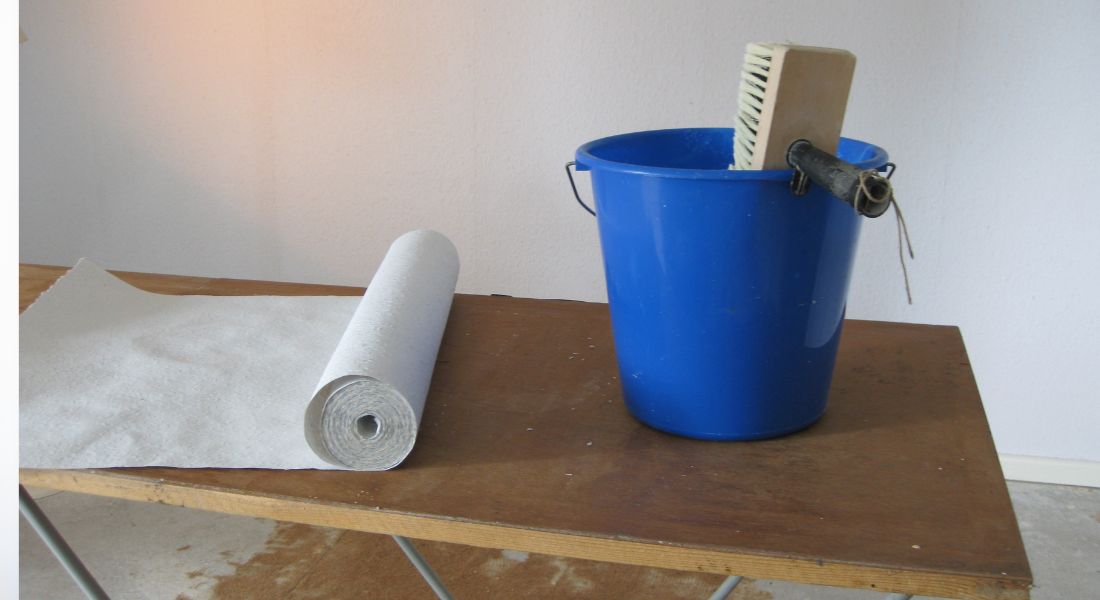
Wallpaper Paste and Adhesive
Paste is an adhesive typically made from starch or organic cellulose ethers. In most cases, methylcellulose is the primary component. These adhesives may contain up to 20% renewable raw materials and up to 98% water, although this can vary depending on the product and formulation.
Paste is a type of cold glue, making it easy to handle and apply. Modern pastes are also available in coloured form, which helps users see exactly where the adhesive has been applied. The colour fades over time through exposure to air.
Because there are many different types of wallpaper, there is no universal adhesive that works for all applications. Each wallpaper type requires a specific adhesive, and the manufacturer’s instructions—provided in the product information sheet or booklet—should always be followed.
Wallpaper adhesives are usually supplied in powder form and are formulated for different applications:
Normal glue is suitable for standard wallpapers. It dissolves easily in cold water and is made from renewable raw materials. Additives may be included to speed up preparation.
Special glue is designed for heavier wallpapers such as vinyl or woodchip. It contains resins or plasticisers that give it extra strength and durability.
Non-woven wallpaper glue has a thicker, specially formulated consistency. It does not splatter and can be applied directly to the wall, making it quick and easy to use.
Wallpaper adhesives are generally non-toxic and safe to use. Small amounts of resins or other additives are included to improve strength, durability, and ease of application.


Comments are closed.